

Take your FREE HSW Course here - AIA approved!

This is your go-to source for free AIA-approved continuing education for architects. Plus, almost all our courses are delivered in streaming HD video. Registration is fast and easy, just click on Login/Register above. Then, you can enroll in any of our courses found in any of our programs with a single click. Our courses meet or exceed NCARB's high standards for state board license renewal. AIA member? Your credit will be reported to AIA for you.

How to Take a Course on The Continuing Architect

This one-minute video shows you just how easy it is to take a course on TCA. Give it a play, explore the intuitive User Interface and the many features that make TCA easy and enjoyable. New courses are being added all the time!


There is never a cost to take a course or earn a certificate. Registration takes just a couple minutes – you only have to do it once to enroll in any course, at any time in the future – look over the course catalog for each of our programs, just click on a couple of course descriptions that look interesting to you to add them to your wish list, and start watching some really great videos.


You will also enjoy browsing the Video Vault, our video library of building and construction videos from many of the manufacturers and organizations that sponsor courses on TCA. Courses are not permitted to feature competitive product distinctions between manufacturers, except in very broad terms, so these additional videos get into branded product details, installation, safety, materials and other details of the brands.


If you have any questions, just use the Contact Us link at the top of the page.

...Read More
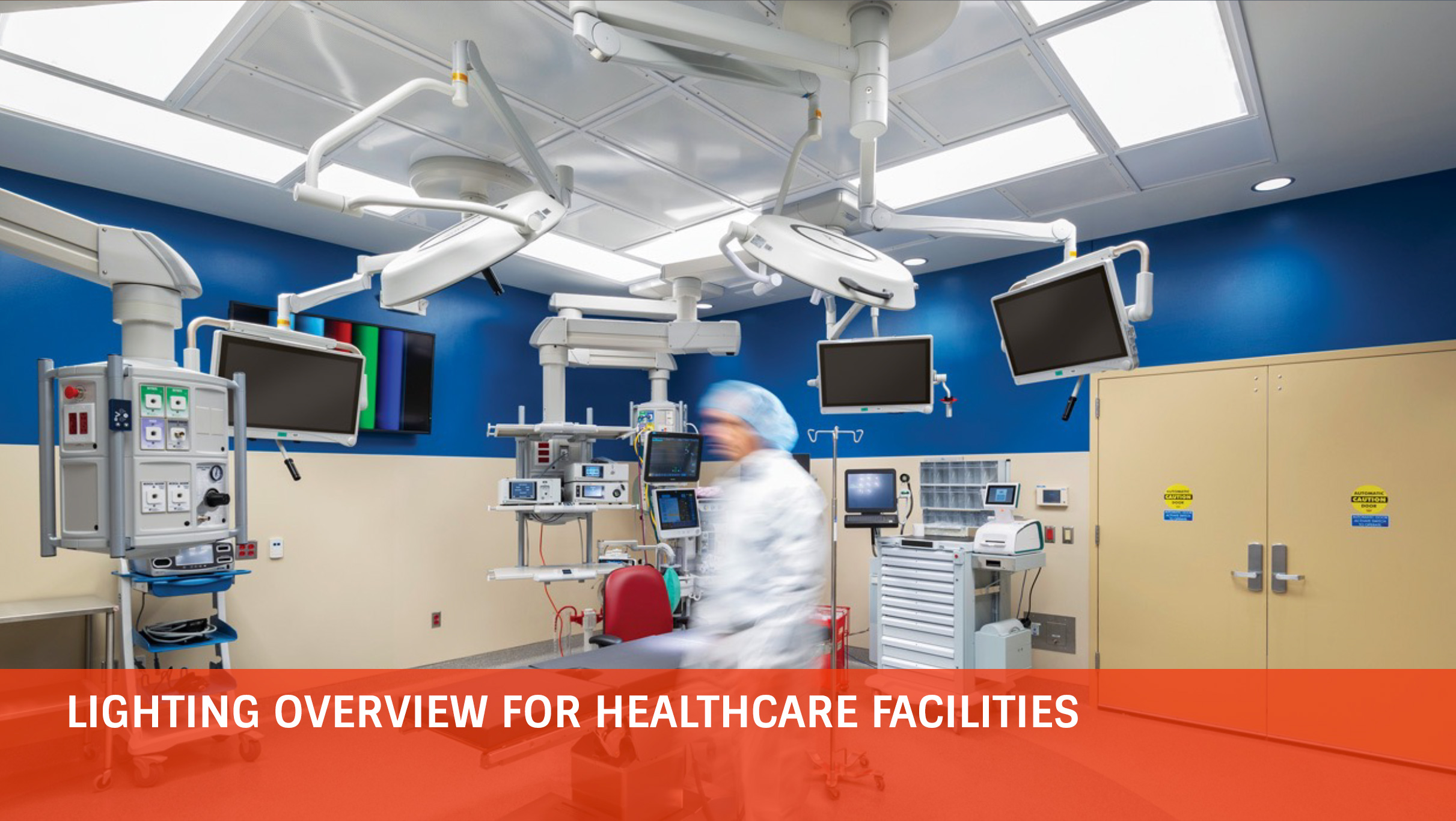
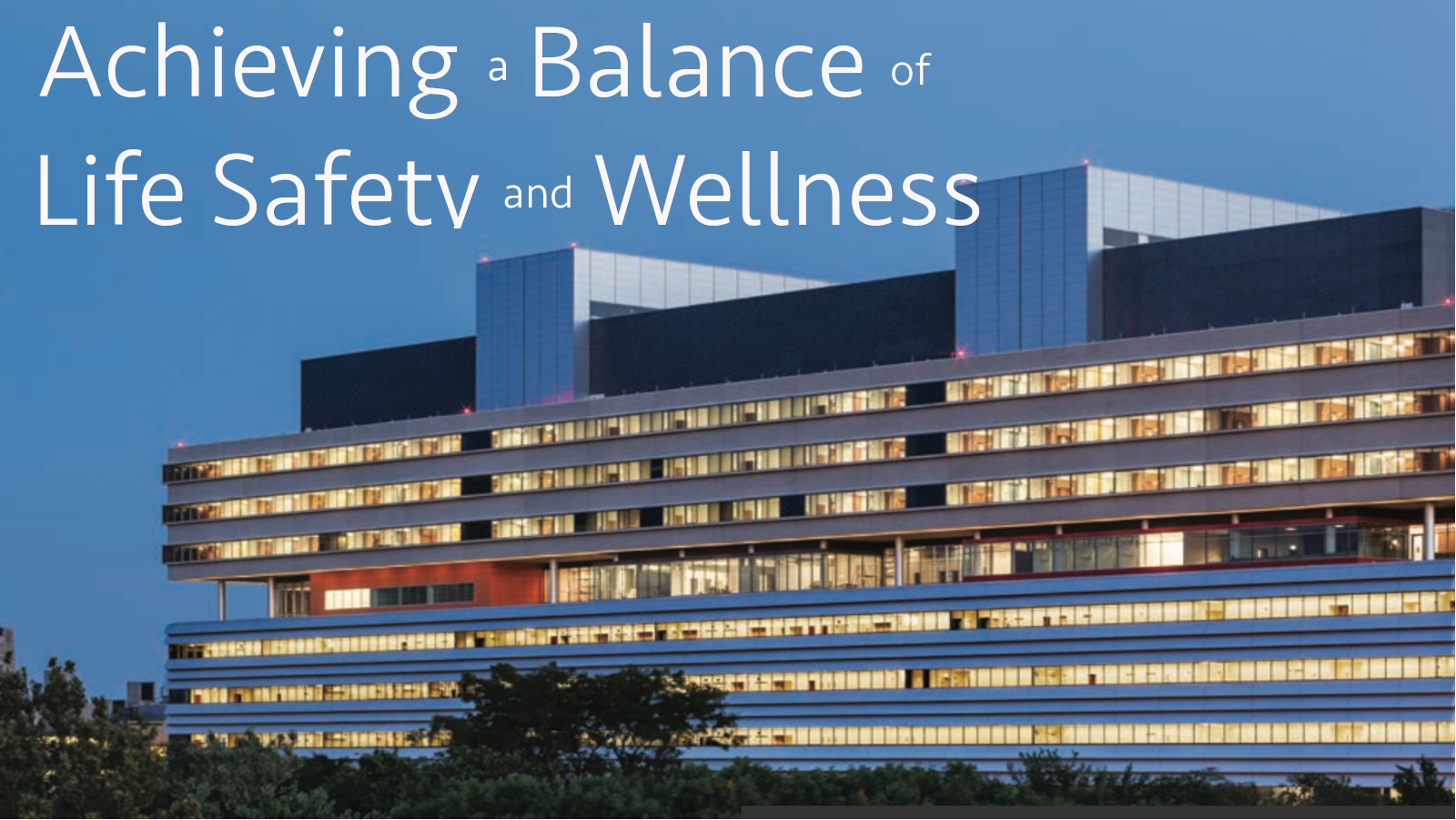
Lighting Overview for Healthcare Facilities

 The class is a high-density orientation to lighting considerations and methods in the healthcare environment. Topics will include application situations, impacted populations, design methods, and a review and critique of examples of successful and less-than-successful healthcare lighting designs.

At the end of this course, participants will:

  1. Identify current trends in the healthcare lighting design and the impact lighting has on its occupants and the environment. 
  2. Identify who is impacted by our lighting design decisions and learn best practices on how to light the spaces they occupy.
  3. Identify specific lighting needs of patient rooms.
  4. Identify emerging lighting methods including design for circadian health.
...Read More

Egress Marking and Illumination ISO-0501

This course is designed to introduce the architect to egress marking systems that are used for ordinary way finding and building evacuation in emergency situations. These signage systems are meant to be selected and installed according to specific standards established by building codes. Additionally, once installed, these systems must be tested to assure their efficacy in case of an emergency. How to select and specify the appropriate markers and the technological solutions available, as well as testing methods, will all be covered in this course.

HSW Justification:
Building exit markings are critical to the health, safety, and welfare of building occupants during emergency situations.

Learning Objective 1:
When this course is complete the student will will understand egress signage obligations as imposed through building codes and standards.

Learning Objective 2:
The student will further understand the various technologies available to address those signage codes and standards.

Learning Objective 3:
And, the student will learn what the requirements are to conduct on-going testing of egress systems after installation.

...Read More

The History and Impact of Synthetic Turf

This course is designed to teach the history of synthetic turf, its application in water and energy conservation, pollution abatement, sustainable design, and its versatility in numerous landscaping applications and designs. Participants will become knowledgeable about synthetic turf and innovative applications that could be applied to their residential and commercial projects. The most current technological advances in the industry and the positive role synthetic turf plays in the environment.

Learning Objective 1:
Students will gain an increased awareness of the positive environmental impact of synthetic turf on water use, reduced energy demand and reduction of use of fossil fuels, reduced chemical application, and resulting reduction of water and noise pollution.

Learning Objective 2:
Students will become more informed on the newest synthetic turf material technologies available, including the use of soy based materials, as well as how the proper application of infills and proper material selection can benefit the health and safety of athletes.

Learning Objective 3:
Students will be more knowledgeable about the history and evolution of the technology and of landscaping and sports applications using synthetic turf.

Learning Objective 4:
Students will better understand the versatility of synthetic turf and its many uses in sustainable landscape design.


...Read More

Wood Without Guilt: Steel Cladding That Perfectly Mimics Real Wood.

This course will describe the aesthetic and biophilic benefits, as well as the objective sustainability standards achieved by innovative metal wall materials that mimic wood. The course will describe how the materials provide both physical and emotional comfort to occupants, protection from harsh weather, and the community benefits of sustainable construction. A variety of applications are also detailed in case studies of actual projects.

Learning Objective 1:
The student will understand how and why the use of materials that mimic but outperform natural materials is highly desirable.

Learning Objective 2:
The student will be able to explain the technologies applied to materials and methods of construction that mimic wood in order to improve sustainability and resist environmental attack.

Learning Objective 3:
The student will recognize the favorability of these materials and methods of construction through a recitation of their achievements in testing and evaluation, how they meet construction standards, and what contributions they make to LEED v4.

Learning Objective 4:
The student will become familiar with a variety of existing projects that demonstrate successful adoption of these products and methods.

...Read More

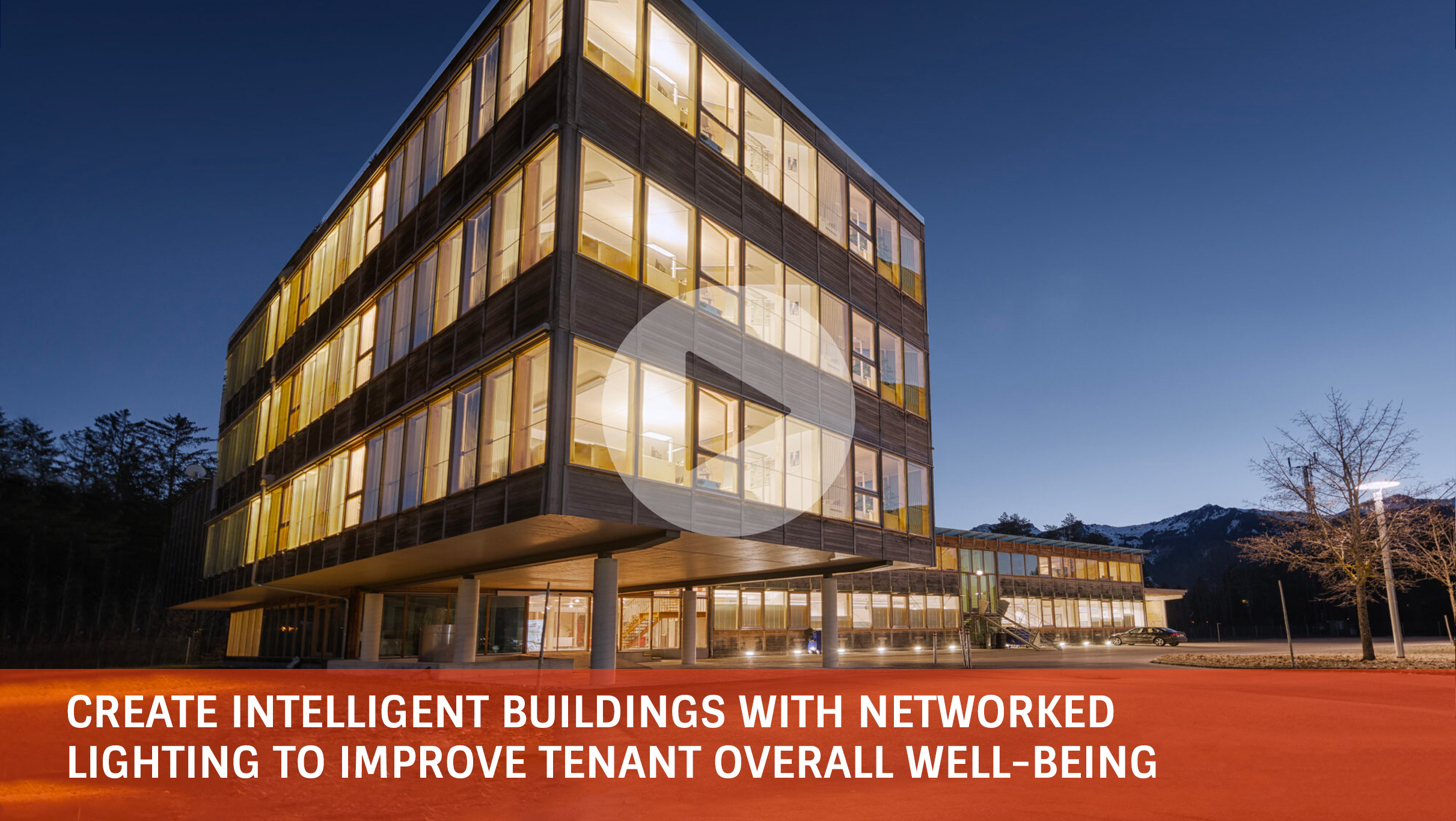
Create Intelligent Buildings with Networked Lighting to Improve Tenant Overall Well-Being

This session will present how IoT lighting can be a fundamental platform for smart environments.  Well planned building integration allows a flexible, scalable lighting system to collect the data that ultimately brings more value to the building owner.

At the end of this course, participants will learn:

  1. Define IDA, light pollution, and related terms
  2. Identify the impacts of light pollution
  3. Demonstrate the difference between IDA and non-IDA lighting
  4. Assess the process of establishing IDA certification
...Read More

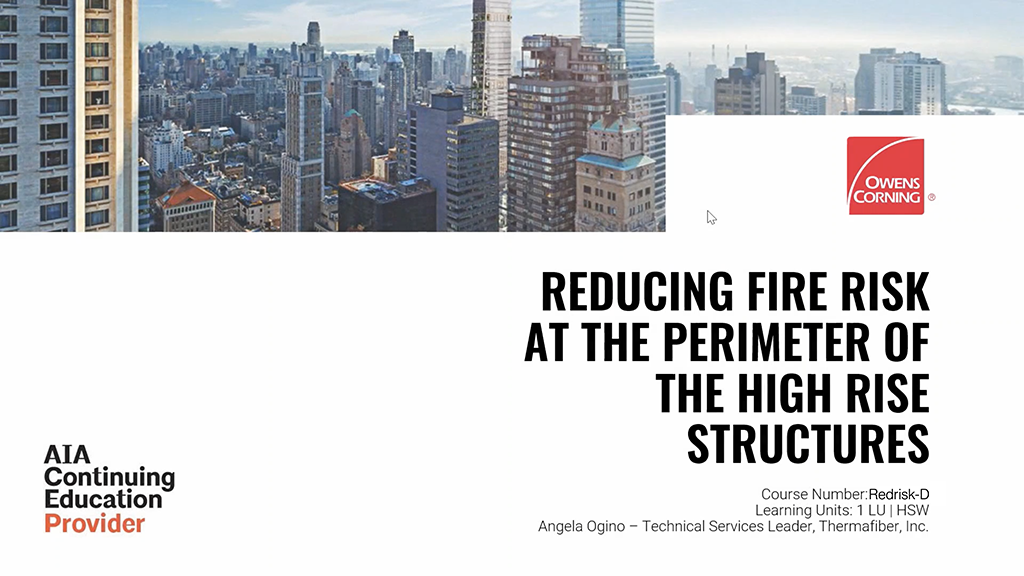
Reducing Fire Risk at the Perimeter of High Rise Structures

High rise fires are not new to us. In fact, we have seen an increase in fire incidents in Asia, Europe, and the Middle East in the last 5-10 years that have amplified awareness on fire safety performance of taller structures. High rise buildings present a greater risk with an increased number of occupants that have a limited means of escape in the event of a fire. That is why the time element for containing a fire is so critical. Also, as we have seen in actual fires, vertical fire spread at the exterior façade can rapidly overwhelm fire fighters means of interceding the fire from ground level. As the fire accelerates and upward spread progresses, it often reaches a height beyond the reach of fire services water streams. That is why containing a fire and preventing it from spreading vertically is so critical for both occupant and first responder safety.

...Read More

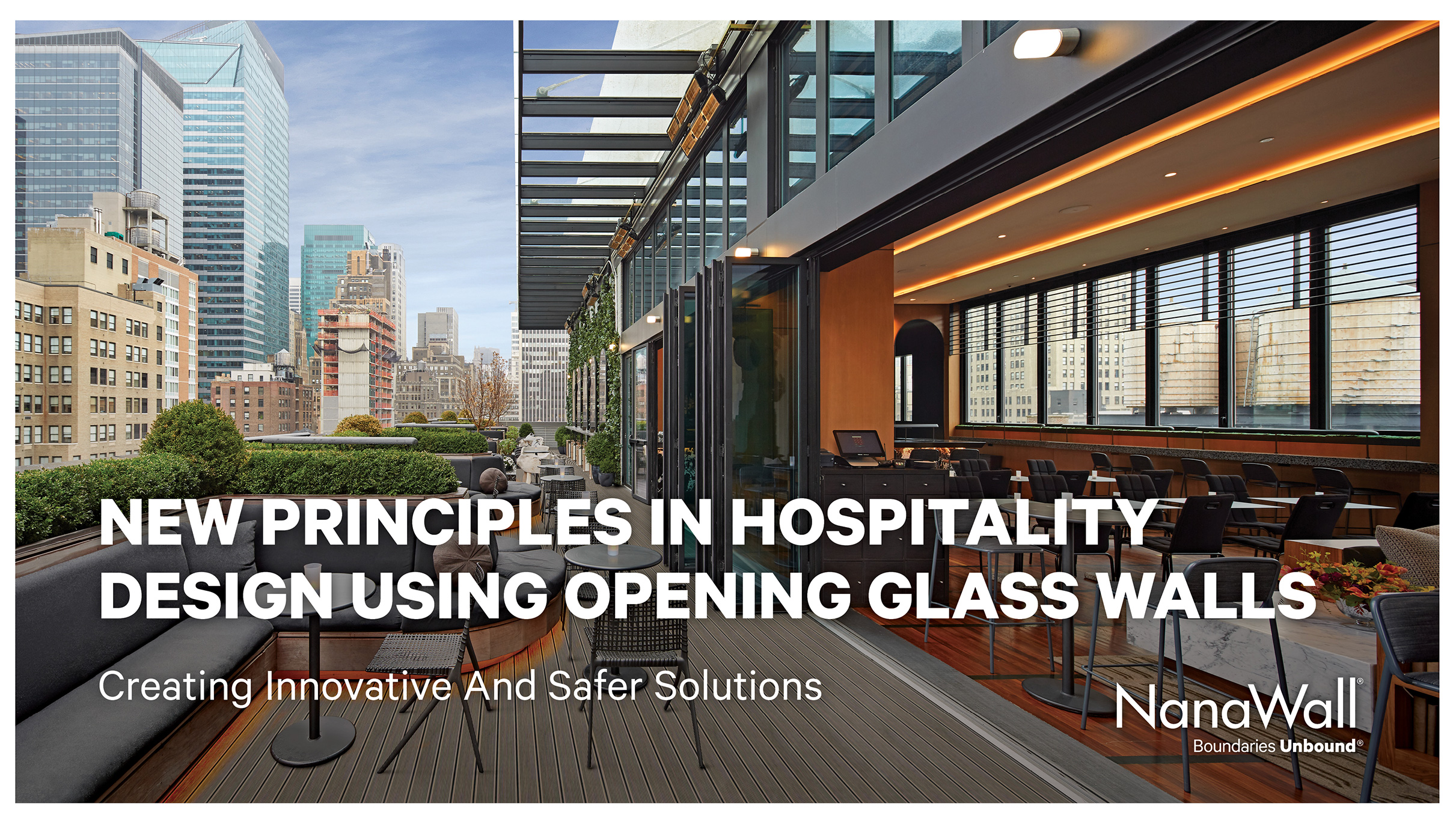
New Principles in Hospitality Design Using Opening Glass Walls

This course explores the impact of the COVID-19 pandemic on design and construction decisions, particularly focusing on operable glass walls in interior and exterior applications, primarily in the hospitality industry. Students will gain familiarity with terminology, capabilities, and uses of operable glass walls, with an emphasis on addressing health concerns post-pandemic through responsive design. The course highlights how operable glass walls contribute to improving the health, safety, and well-being of building occupants while also providing psychological benefits by creating comfortable environments. Practical design concepts applicable to various commercial projects will be covered, with direct access to manufacturer resources for further assistance.


Learning Objective 1: You will be able to identify and recognize the significance of the health concerns related to the COVID-19 pandemic as they relate to building design and product selection.

Learning Objective 2: You will learn how to assess the safety aspects of incorporating design and product selections that protect buildings, occupants, and owners from harm and damage, particularly in light of unexpected violence and vandalism.

Learning Objective 3: You will be able to explain the welfare aspects of design and product selection that enable equitable access to all, can elevate the human experience with daylight and outdoor access, and benefit the environment through sustainable building design.

Learning Objective 4: You will be able to determine ways to incorporate the design principles as presented into different building types and applications.

...Read More

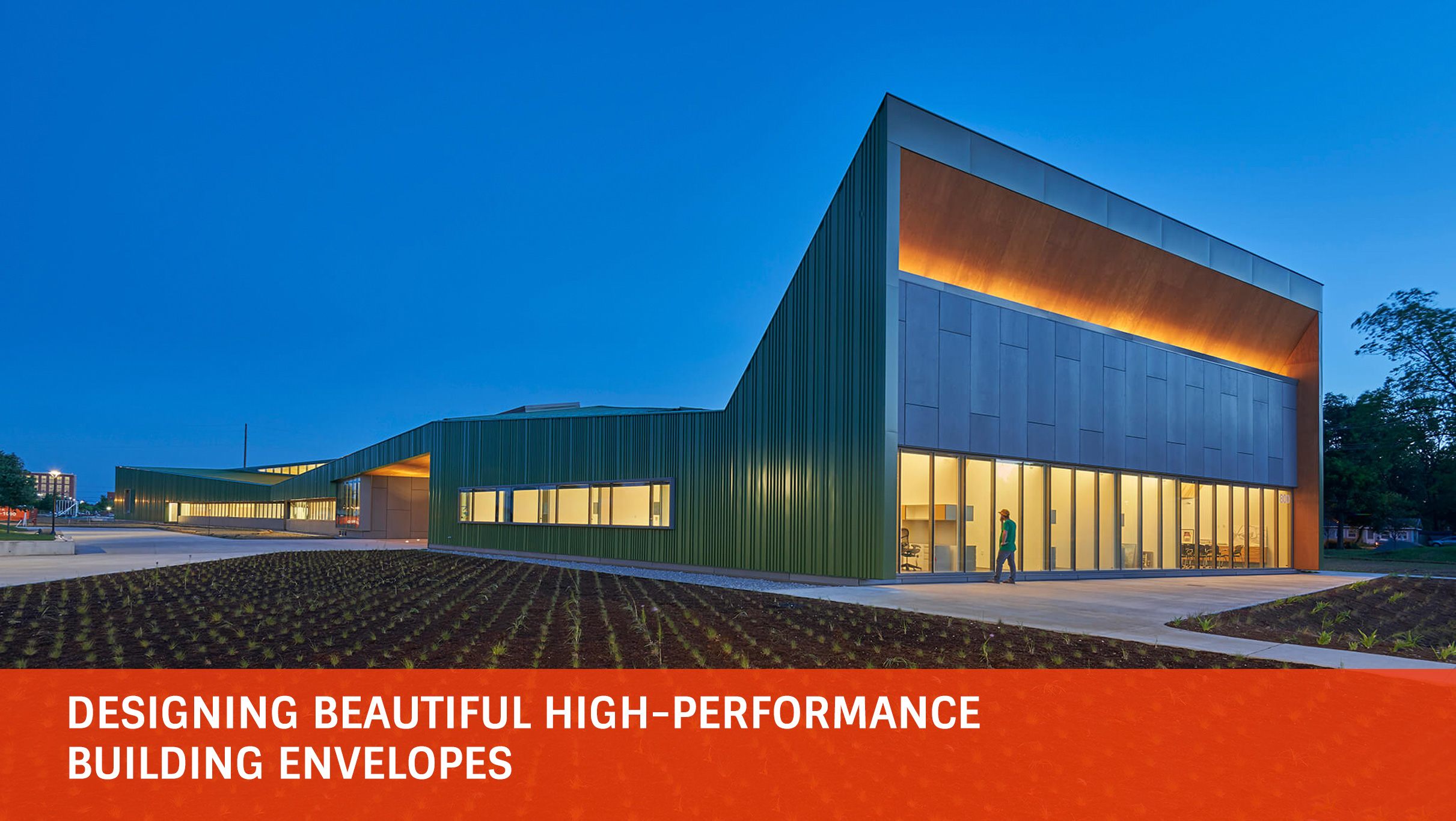
Designing Beautiful High-Performance Building Envelopes

The building envelope has a lot of different jobs to do—from insulating the building so that it can be efficiently heated and cooled to providing air and water barriers that keep harmful moisture at bay, as well as providing the aesthetic face of the project. High performance building envelopes do all of those things extremely well. This article explores some of the latest high-performance solutions that can be used to create those high-performance envelopes.

HSW Justification:
A high-performance building envelope is necessary to create a building that is efficient and healthy. This article takes a look at how different components in the building envelope perform—giving architects the information they need to choose high-performance components that will produce a high-performing envelope.

Learning Objective 1:
Compare different types of continuous insulation in terms of the thermal performance they offer and the way they behave when exposed to water and fire.

Learning Objective 2:
Describe how insulated metal panels (IMPs) can be used on the envelope to improve building performance, create efficient and healthy interiors, and enhance design flexibility.

Learning Objective 3:
Explain how PET bottles can be upcycled into insulation creating a new product that contains recycled material and improves thermal performance of the building envelope.

Learning Objective 4:
Describe the ways that architectural metal wall systems enable architects to push the creative boundaries of their designs.

...Read More
Load More

Your session will expire soon. Click below to stay logged in.

Stay Logged In Logout
×